Healthcare Scheduling Lucky Pharaoh Slot Medical Visit in UK

Dealing with the UK’s healthcare system, especially the doctor appointment queue, can test your patience in ways that feel timeless and monumental. We all value the efforts of the NHS, but the reality of waiting rooms and booking delays is something something we all understand. Meanwhile, in a entirely separate corner of entertainment, the search for fun takes a far more exciting shape with the Lucky Pharaoh Slot. This online game taps into that feeling of anticipation and reward, transforming the idea of a “queue” into a thrill of spinning reels and possible jackpots. This is a light-hearted look at two distinct worlds: the required slog of medical scheduling and the voluntary thrill of slot gaming. It shows how people in Britain today deal with their health and their free time, balancing required patience with the quest for something quickly entertaining when they log out.
Grasping Slot Mechanics: Greater Than Just a Spin
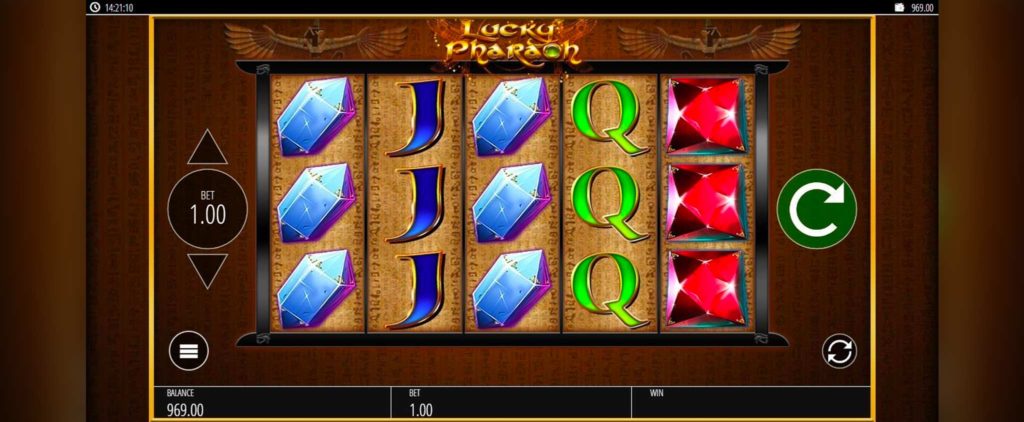
The Lucky Pharaoh Slot runs on smart mechanics crafted to be both thrilling and fair. Its core uses Random Number Generators (RNGs). These are complex algorithms that ensure every spin’s outcome is totally independent and random, akin to shuffling a deck of cards. You’ll come across features like Wild symbols, commonly shown as the Pharaoh’s mask, which can stand in for other symbols to form a winning line. Scatter symbols, possibly the iconic Eye of Horus, typically set off bonus rounds or free spins no matter where they land. Then appear the bonus games themselves. These might let you select artefacts to discover instant prizes or take you through a tomb to uncover multipliers. Grasping these parts makes the game less mysterious and assists you play with more understanding. A high RTP, often above 96% in well-regarded games, indicates a better theoretical return over a long period of play. Volatility characterizes the pattern of wins; high volatility means bigger but less frequent payouts, while low volatility means more modest, more regular ones. These are not just jargon. They influence the rhythm of your session, dictating whether you’ll see many small wins or be going after less common, larger jackpots.
- Reels & Paylines: Usually 5 reels with various fixed or adjustable paylines where matching symbols land.
- RTP (Return to Player): A theoretical percentage representing the long-term expected payback to players.
- Volatility: Describes the risk profile—high volatility means bigger but less frequent wins, low volatility means smaller, more regular payouts.
- Bonus Features: Free spins, pick-me games, and expanding wilds that improve gameplay and winning potential.
- Bet Size Configuration: The capacity to adjust coin value and bet level per spin, allowing precise control over your stake.
Accessibility and Simplicity: From the Doctor’s Office to Couch
Accessibility is a further significant aspect where these domains differ. Going to a medical appointment means journeying, taking time off work, and being there in person. The Lucky Pharaoh Slot, however, is accessible 24 hours a day, seven days a week, from almost any smartphone, tablet, or computer in the UK. This convenience changes everything. You can spin during a commute, on a lunch break, or from your sofa at home, converting spare minutes into a bit of adventure. You don’t need to book ahead. There’s no worry of missing your slot. No travel costs. This on-demand model fits a wider shift in how we consume entertainment and even services. It sets control squarely in the user’s hands, permitting for short bursts of fun that slot into busy modern lives. It presents a very different model to the scheduled, location-bound nature of traditional appointments. The game only requires a stable internet connection and an account with a licensed UK operator. That removes almost all geographical and time barriers. This easy access is in sharp contrast to healthcare, where your access can hinge heavily on your postcode, your mobility, and whether you can get time off during the standard nine-to-five.
The Mental Aspect of the Line vs. The Mental Aspect of the Spin
On a psychological level, anticipating a doctor and trying a slot game work on entirely different mechanisms. The medical wait is commonly a trigger of stress. It brings a loss of control, health worries, and a feeling of wasted time. It creates a passive, anxious form of anticipation where the outcome is unclear and could be bad. The Lucky Pharaoh Slot, on the other hand, employs a mechanism called variable-ratio reinforcement. This is the same psychological mechanism that makes browsing social media so addictive. The player realizes a win could arrive on any spin, but the exact instant is uncertain. This creates a powerful loop of expectation and reward. The game provides you a impression of autonomy (you choose when to spin) and offers instant reaction, which is gratifying by itself. One queue handles the serious, inescapable parts of life. The other offers a regulated, willing space where risk is limited to enjoyment, and the “treatment” is a dose of exciting fun. The game’s sounds and graphics, celebratory jingles for wins and flashy animations, give positive feedback that you just don’t get in a healthcare waiting process. This basic difference in emotional structure accounts for why one activity can leave you drained and the other can feel energising, even though both require waiting for a result.
Narrative and Theming: An Ancient Egyptian Escape
The Lucky Pharaoh Slot is a prime example in engaging theming, offering a full narrative escape. The Egyptian theme goes beyond a facade; it’s woven into all elements of the game. The graphics are rich with hieroglyph details, gilded sands, and majestic tomb interiors. The soundtrack uses atmospheric melodies and the gratifying clink of simulated treasure. Every symbol tells part of a story, the scarab beetle for rebirth, the key of life for existence, the ruler for power and intrigue. This unified storytelling transports you, offering your thoughts a holiday from daily concerns. It’s a type of engaging leisure that fires up the imagination. That’s a stark contrast to the clinical, often anxiety-producing environment of a doctor’s waiting room. This powerful escapism is key to the game’s attraction, rendering each round feel like a mini-adventure. Developers often build on this theme in bonus features. You may have to open a pharaoh’s sarcophagus or interpret hieroglyphs to discover multipliers, turning you an engaged part of the story rather than just watching it. This extent of commitment to the theme creates strong brand recognition and player loyalty, a quality a basic service queue never targets nor delivers.
NHS Waiting Areas A Reality of Today’s Healthcare
For millions of people in the UK, the way to medical advice begins with a familiar routine. You phone the GP surgery at 8am sharp, go through automated messages, and are frequently informed it will be weeks before you can secure a routine appointment. This process, strained by huge pressure and insufficient funding, produces a landscape of waiting that is often accompanied by worry. People end up managing minor illnesses on their own for longer, anxious about adding to the pressure, while more serious conditions could go unnoticed as quickly. The “queue” is a combination of online and in-person queuing, a state of limbo that forces you to wait. It’s a widespread national phenomenon, discussed in online forums and everyday conversations. Frontline staff work tirelessly, but the institutional delays are a real part of life in Britain now. This atmosphere of waiting is entirely different from sectors designed for instant action, where the next moment guarantees something certain and potentially rewarding. The duration of the wait is heavily influenced by where you live, adding a postcode lottery to an already difficult situation. Even the move towards digital triage with online forms, designed to make things more efficient, can sometimes introduce a new barrier instead of making access easier for everyone.
Jump into the Lucky Pharaoh Slot: Immediate Anticipation, Rapid Action
If the medical queue demands patience, the Lucky Pharaoh Slot is all about immediate focus and immediate results. You don’t launch the game into a crowded waiting area. You arrive on the sun-baked sands of ancient Egypt. Symbols like scarabs, pyramids, mysterious pharaohs, and golden artefacts show up with a promise of adventure. There’s no hold music. No estimated wait time. Just vibrant graphics and a stirring soundtrack creating the scene. One click or tap triggers the reels spinning, and you have your outcome in seconds. This fast cycle of build-up, action, and result is a powerful kind of digital escape. It transforms waiting from a passive state into an engaging pursuit. Every spin is a different chance, a new little story that starts right away. The difference from the frustrating timelines of essential services could not be larger. The game’s interface is built for zero friction; you’re never more than a couple of clicks from the main action. This immediacy is central to its appeal. It provides a satisfyingly direct feedback loop that people now anticipate from their digital lives, whether they’re ordering a takeaway or starting a new TV series.
Community
Sitting in a waiting room can appear as a solitary experience, but both healthcare and gaming have strong community sides. These days, players of Lucky Pharaoh Slot often recount their experiences in online forums, social media groups, and on review sites. They celebrate big wins, debate strategies for bonus rounds, and bond through a shared love of the theme. This builds a sense of belonging and shared excitement. In a similar way, patients connect through support groups and online communities to discuss insights about healthcare waits and medical conditions. The tone of these communities is very different, though. One centers on mutual support through a tough time, the other on enhancing fun and shared enthusiasm. Both demonstrate our human need to connect over common ground, whether we’re managing life’s difficulties or its more playful moments. The gaming community often reaches to watching live streams of popular players, joining tournaments with leaderboards, and sharing screenshot “brags” from a successful bonus round. This social layer brings a competitive and collaborative dimension that renders the experience richer, transforming a solo activity into a connected one, even if that connection is purely digital and focused on leisure.
Controlled Play: Setting Your Own “Surgery Hours”
Just as we care for our health responsibly, enjoying games like the Lucky Pharaoh Slot demands a conscious and regulated approach https://luckypharaohcasino.com/. Responsible gaming is vital. View it as a leisure activity with defined personal boundaries, like creating your own “surgery hours” for fun. This means determining firm limits for both time and money before you even commence playing. Trustworthy UK platforms provide key tools to help with this. Knowing how to use them is just as vital as grasping the game rules. It’s about handling things proactively, not experiencing guilt afterwards. Setting a deposit limit, for example, is a one-time action that blocks you from overspending in the moment. Time-outs can be employed after a planned session to guarantee a cool-down period.
- Deposit Limits: Predetermined maximum amounts you can deposit daily, weekly, or monthly.
- Time-Outs: The ability to take a short break from gaming, from 24 hours to several weeks.
- Self-Exclusion: A extended block from an account, a essential tool for anyone who wants a significant break.
- Reality Checks: Periodic pop-up notifications that tell you how long you’ve been playing.
- Loss Limits: A less common but effective tool that limits the amount you can lose in a set period.
- Transaction History: Easy access to full records of all deposits, bets, and withdrawals for complete transparency.
Looking Ahead of Digital Engagement
Placing a doctor’s appointment queue next to a digital slot game highlights a bigger trend: the shift towards instant, user-controlled experiences. We can see the NHS itself beginning to use more digital tools, like video consultations and app-based booking systems, aiming to cut wait times and improve access. At the same time, the online gaming industry constantly evolves with better graphics, interactive bonus features, and even social multiplayer elements. The future points towards more personalisation and immediacy in both fields. Their core purposes will always be separate, one essential for health and the other for leisure. But the public’s growing demand for efficient, engaging, and accessible digital interfaces is a common thread. Recognising this shift helps us manage both our essential services and our chosen entertainments better in modern Britain. We might see more integration in design thinking. Healthcare apps could learn from the engaging, user-friendly interfaces of popular games to improve how patients follow advice and feel about their care. Gaming will likely weave responsible play tools more seamlessly into the experience, making safety as intuitive as play. The direction for both is clear: reduce friction, give users more control, and use technology to meet modern demands for how services and engagement should work.